Aug 2026
AI Is Already in Your Workplace – Is Your Business Managing the Risk?
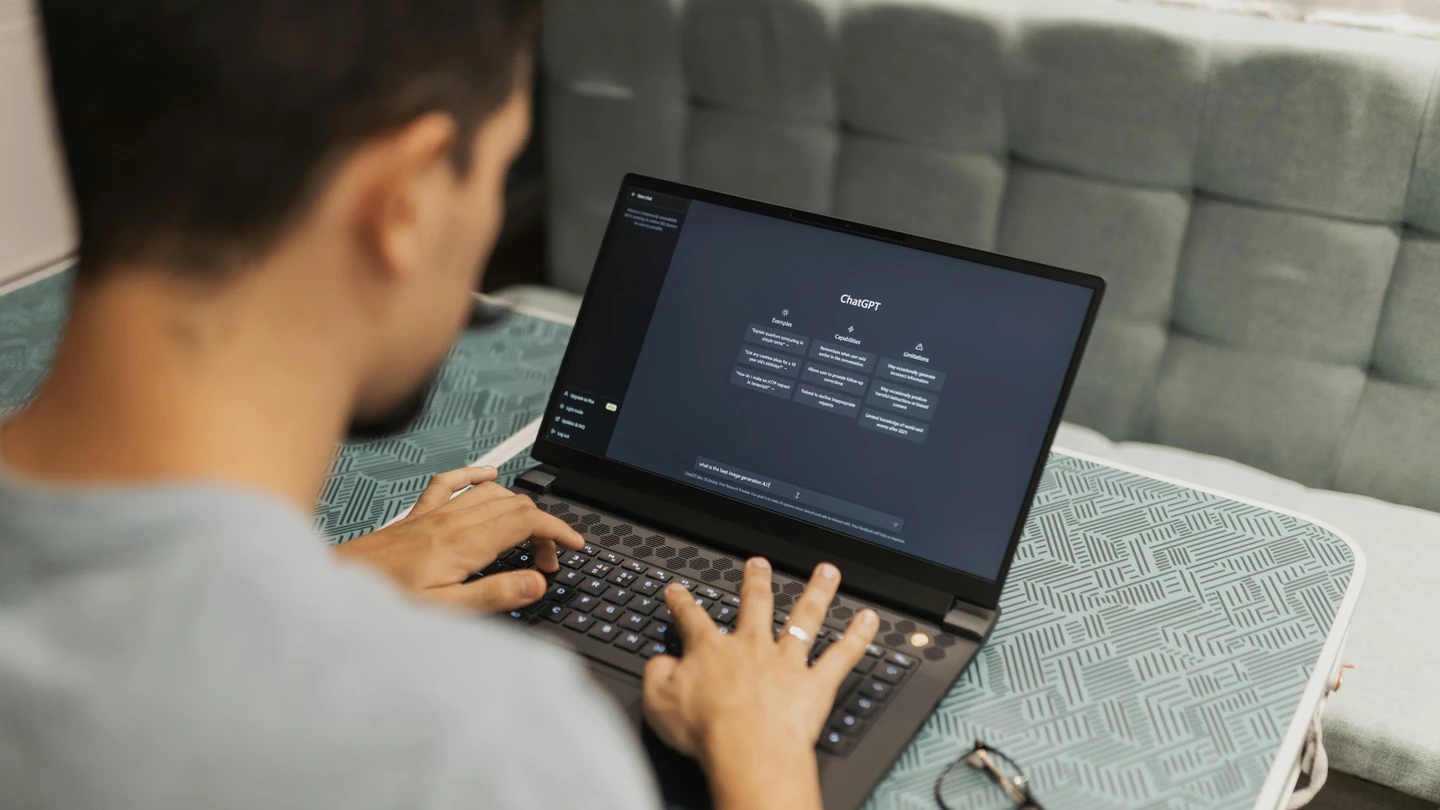
Artificial intelligence is no longer something businesses are preparing to use in the future. It is already being used in workplaces every day.

AI Is Already in Your Workplace – Is Your Business Managing the Risk?
Artificial intelligence is no longer something businesses are preparing to use in the future. It is already being used in workplaces every day.